 Oklahoma Senate
Q & A with Republican Senators Williamson, Coffee, Laughlin and Brannon. Includes discussions about SB 507 (lawsuit reform) that was passed by the Senate Thursday.
In order to provide equal access and equal opportunity to people with diverse abilities, this site has been designed with accessibility in mind. Click here to view
Share
back to press releases
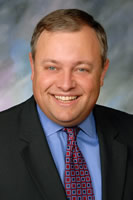 Senator Glenn Coffee
Senate Sends Bipartisan Lawsuit Reform Legislation to Gov. Henry
Senator Glenn Coffee
The evenly divided Oklahoma Senate voted Thursday to send a bipartisan, comprehensive lawsuit reform bill to Gov. Brad Henrys desk. The Senate passed Senate Bill 0, authored by Sen. Cliff Branan, ROklahoma City, on a bipartisan 2 to 23 vote. The bills supporters praised the passage of the historic legislation. Four years ago Gov. Henry promised to bring Texas Plus tort reform to Oklahoma. SB 0 includes of the 2 reforms proposed by the governor, and his signature on this bill will help Oklahoma catch up with states like Texas, stated Senate CoPresident Pro Tempore Glenn Coffee, ROklahoma City. Oklahoma needs meaningful lawsuit reform to help attract jobs and to make health care more affordable and available. The passage of SB 0 is a major step forward for the people of Oklahoma. I encourage Gov. Henry to take a stand for bipartisanship, for jobs, and for quality health care by signing this good legislation into law, said Branan. Todays vote shows that it is a new day in the Oklahoma Senate. The trial lawyers have finally lost their stranglehold in the Legislatures upper chamber, and thats great news for the people of Oklahoma, stated Senate Judiciary Committee CoChairman James A. Williamson, RTulsa. It was very disappointing to see the misinformation campaign conducted in an effort to defeat this bill especially as the legislation relates to class action lawsuits by royalty owners. The fact is, SB 0 does not impede these lawsuits, and it actually provides protections for royalty owners by allowing an independent attorney to be appointed to represent the class when attorneys fees are determined. Under the old law, class members are not represented when attorneys ask for fees, stated Senate Republican Floor Leader Owen Laughlin, RWoodward. HIGHLIGHTS OF SB 0: Damages Caps noneconomic damages at an inflationadjusted rate of 300,000 unless the jury finds clear and convincing evidence that the defendant was grossly negligent, or acted intentionally or with malice. There is no limit on economic damages.
Requires that in a professional liability action, the jury may award punitive damages only if they find by clear and convincing evidence that the defendant has been guilty of intentional or gross negligence. Frivolous Lawsuits Better defines what frivolous means and makes such lawsuits easier to dismiss. Teacher Liability Provides teachers, principals, and other school professionals the tools they need to undertake reasonable actions to maintain order, discipline, and an appropriate educational environment without the threat of lawsuits. Joint amp Several Liability Eliminates joint and several liability, also known as the deep pockets rule, thereby making every defendant responsible for only its own fault. This prevents trial lawyers from fishing for deep pockets to sue. Class actions Provides protections for plaintiffs by requiring an independent attorney to be appointed to represent the class in the awarding of attorney fees.
Protects plaintiffs from being included in a class action lawsuit without his/her consent. Gun Manufacturers Exempts firearms manufacturers from liability when someone misuses their products. Volunteer Protection Clarifies the old definition of volunteer thus providing for clearer immunity from liability, and clarifies where such volunteer medical services were provided. Cheeseburger Lawsuits Protects restaurants and food manufacturers from lawsuits claiming they are responsible for the eating habits of their customers. Expert Testimony Requires that if the plaintiff is using an expert witness to prove liability, that the plaintiff file a written opinion of the expert within sixty days of filing the lawsuit showing why the expert believes that liability exists. Sets out the rules for testimony by lay witnesses and experts thus protecting against junk science being introduced. Prejudgment Interest Restricts the assessment of prejudgment interest until 3 months following the filing of a lawsuit, and sets the calculation of prejudgment interest at the average TBill rate. Seat Belts Allows for the admissibility of evidence showing that a plaintiff, or child of a plaintiff, was not wearing their seat belt.
Contact info
contact: Senator Coffees Office: 0 2

